


Changzhou Jiangyou Heating&Cooling Technology Co., Ltd.: Your Professional Freezer Manufacturer!
We are located at No. 14 Fengrun Road, Luoyang Town, Wujin District, Changzhou City, Jiangsu Province, and are a comprehensive enterprise integrating technology research and development, production, sales, and service. Our company adheres to the principles of seeking truth, being pragmatic, innovating, and actively absorbing advanced technologies from domestic and foreign peers to continuously improve product quality and meet different customer needs. Our products have covered all provinces, municipalities, autonomous regions, and centrally-administered cities in China. With reliable product quality and excellent pre-sales and after-sales services, we have won the favor and trust of our customers.
Advanced Technology Equipment
Our company has introduced advanced technologies and equipment from both domestic and international sources, committed to producing high-quality refrigeration and air conditioning equipment. Through continuous innovation and technological upgrades, we can provide our customers with efficient, environmentally friendly, and durable products.
Diverse Product Lines
Specializing in the production of various high-demand cold storage plates, including arc angle cold storage plates, we offer products featuring environmental protection, corrosion resistance, and high flame retardancy. Additionally, we manufacture a wide range of cold storage doors such as double-open, single-open, electric or manual translational doors, chain doors, automatic return doors, free anti-collision insulation doors, modified atmosphere doors, and clean doors to meet diverse customer needs.
Professional Technical Services
Our business scope includes technical services, development, consultation, exchange, transfer, and promotion. With a professional technical team, we provide one-stop services from product design to installation and commissioning, ensuring every project achieves optimal results.
Comprehensive After-Sales Service
Beyond manufacturing and selling high-quality refrigeration and air conditioning equipment, we also offer installation and maintenance services. We commit to providing full support and assistance at every stage before, during, and after the sale, ensuring our customers face no worries throughout their usage period.
Related Product Introduction

Refrigerated containers, with standardized sizes and professional designs, offer stable quality and function for transporting cold goods. Converted from reefer containers, these mobile cold storages avoid long-term construction at the destination, benefiting the environment and reducing costs. They are designed to store frozen and refrigerated items separately in different temperature zones. Single chillers require dividing the space into units to meet various temperature needs. Refrigerated containers can be tailored in width (10~53ft) and, if transport conditions allow, in height and width to match specific user requirements. Adequate refrigerant ensures rapid freezing of stored items.

The medical cold storage mainly stores various kinds of medical products that cannot be preserved under normal temperature conditions. Under the low temperature cold storage conditions, the medicines are not deteriorated, and the shelf life of the medicines can be prolonged. It is widely used to store various medicines, vaccines, blood, medicines, reagents and biological products.

Logistics cold storage refers to the specialized storage and transport of temperature-sensitive goods, such as food, medications, and chemicals. It relies on various equipment, technologies, and procedures to maintain the item's required temperature. By regulating the storage environment, companies within the supply chain network ensure that products maintain quality, safety, and integrity until they reach their destination.

Quick freezing cold storage (Blast freezer)is a method which food quickly passes through the largest ice crystal formation area and quickly freezes when the average temperature reaches - 18 ℃. In the process of food freezing, various changes will take place, such as physical changes, cell and tissue changes, biological and microbial changes, etc. Generally, the temperature of quick-frozen cold storage is - 15 ℃ ~ - 35 ℃. The quick-frozen cold storage is mainly used for the low-temperature freezing of food, medicine, chemical raw materials and other articles.

Fresh-keeping Refrigerated Cold Storage
Cold storage is the process of storing perishable food items at a low temperature to maintain food safety and improve food preservation. Fresh-keeping Refrigerated Cold Storage" refers to a specialized type of cold storage facility designed specifically for preserving the freshness and quality of perishable goods such as fruits, vegetables, meats, and other food items. These facilities are equipped with advanced refrigeration systems that maintain optimal temperatures and humidity levels to slow down the deterioration process and extend the shelf life of stored products.

Industrial And Commercial Cold Storage
Industrial and Commercial Cold Storage" refers to large-scale refrigerated facilities used by businesses and industries for storing perishable goods such as food, pharmaceuticals, and other temperature-sensitive products. These cold storage facilities are designed to maintain optimal temperatures and humidity levels to ensure the preservation of the stored items' quality and safety over an extended period. Commercial systems often focus on maintaining consistent temperatures within a specified range suitable for storing perishable goods. While industrial refrigeration requires specialized cooling techniques and sophisticated monitoring systems. In the end, the temperature requirements are more stringent.

Transforming existing spaces into efficient cold storage facilities, our retrofit cold storage solutions offer cost-effective alternatives to new construction.

Designed for long-term storage of frozen foods and other perishable goods, our freezers offer superior temperature control and energy efficiency.
What is a Freezer
Freezers preserve food by storing it at or below 0°F (-18°C). These appliances include large chest and upright deep freezers as well as refrigerator freezer combinations like top-freezer, side-by-side, French door and bottom-freezer models.
How Does a Freezer Work
The compressor prepares refrigerant
Your refrigerator's compressor kicks off the cooling cycle by drawing refrigerant vapor in, then it kicks up the heat to raise both the temperature and pressure of the refrigerant.
Condenser coils liquefy refrigerant
The compressor pushes high-pressure refrigerant into the condenser coils where it undergoes a chemical transformation into a liquid.
Capillary tube vaporizes refrigerant
Liquified refrigerant makes its way from the condenser coils into the capillary tube where it undergoes a dramatic decrease in pressure. This pressure decrease causes the refrigerant to cool significantly in preparation to enter the evaporator, converting it back into a vapor.
Evaporator & refrigerant absorb heat
Finally ready to move heat out of the freezer cavity, the refrigerant enters its final phase in the cooling cycle as it moves through the evaporator to absorb heat from the inside of the freezer. Heat is expelled through the evaporator and the refrigerant returns to the compressor to start the cycle again.
Benefits of Freezers
Bulk Storage
Busy lives do not afford many people the opportunity to shop as often as they wish. Bulk shopping is no longer a big worry if you own a freezer. The ability to store large amounts of foodstuff is, therefore, a big benefit of freezers.
Bulk Cooking
A freezer also allows the opportunity to cook in bulk, saving time for other family activities. When cooking is done in bulk, you can enjoy your favorite wholesome meals as often as possible conveniently. You simply thaw whatever meal you are craving, pop it in your microwave and you are good to go!
Longer Preservation
A freezer allows us to take advantage of and even overcome the seasonality of food. Seasonal fruits such as berries, pineapples, and so on, can be kept in the freezer to be enjoyed out of season. Perishables such as vegetables and meat can be prepared and stored safely for months. As most foods get expensive during their off-season, this practice allows both families and businesses to save money.
Types of Freezers
Chest Freezers
These are usually rectangular with a lid that moves upwards. A chest freezer is large by design to allow it to store large amounts of food items. Therefore, the space where they will be placed is an important consideration when shopping. There are two different types of such freezers: Inverter Chest Freezers and Non-Inverter Chest Freezers, which offer better power efficiency.
Upright Freezers
An upright freezer looks like a refrigerator but it cools like a regular freezer. The upright freezer is perfect for you if you have limited space and you do not need to store food items in very large quantities.
Drawer Freezers
In cases where an upright freezer may be too much for your needs, a bottom freezer refrigerator may be a better alternative. This type of fridge has a bottom drawer freezer with a refrigerator on top. This offers a bigger frozen storage capacity than normal fridge freezers. A drawer freezer is often used in scenarios where a very large freezer capacity is needed. Commercial kitchens and some very large households are the ones most likely to need this type of freezer. As a result of its structure, it gives very easy accessibility.
Display Freezers
These are only used for commercial purposes at supermarkets, retail stores, and similar locations. They have see-through doors, where buyers can easily look see the products on display. A display freezer can be in the form of a chest freezer or an upright freezer.
Portable Freezers
As the name suggests, this is a small freezer that is easy to move around. It is usually attached to cars or vans for freezing capacity on the go.
Essential Tips for Maintaining Your Freezer

Maintain a Safe Temperature
Let's start with the basic requirements of a freezer and fridge-they need to keep your food properly chilled or frozen. The recommended refrigerator temperature is below 40 degrees Fahrenheit, so try to set the temperature between 34 and 39 degrees Fahrenheit for ideal chilling. If your refrigerator isn't cooling enough, it could stem from a range of problems, such as a broken thermistor or a dying evaporator fan.
Check the Door Gaskets
The gasket is the rubber door seal that lines the inside of the fridge and freezer. Check if it's sealing properly by shutting the door on a piece of paper. If it's easy to pull the paper out, the door may not be sealing properly. In this case, you'll likely need a new gasket. If the paper comes out dirty, then it's time to wash the gasket. Use a mixture of soap and warm water around the edges.
Clean the Condenser Coils
Cleaning your condenser coils is one of those homeowner hacks to prolong the life of your fridge without a visit from a repair team. You'll need to locate the coils either on the back or bottom of the whole appliance. Unplug the refrigerator, pull it away from the wall, and use either a powerful vacuum hose or a special dusting tool-typically a flexible, hard-bristled brush that slips into hard-to-reach places-to clean the coils. Caked-on dust, dirt, and pet hair can cause your fridge to overheat. You may also encounter frosted condenser coils. In this case, you'll need to call in a repair team to inspect what's causing the ice to accumulate.
Check the Drip Pan
In many fridge models, the condenser coils send extra moisture to a drip pan. Your drip pan should include a hose that redirects the water, but it can become clogged over time. Double-check that the drain hole is open and that there is no smelly water accumulating in the pan. If so, it should be easy to clean with soap and warm water.
Keep the Fridge Filled
If you're taking a long vacation, or if you've been using a takeout delivery service more than you've been turning on the oven, it's best to keep something in there nonetheless. Your refrigerator needs something to cool for proper long-term performance.
Avoid Overstuffing
As you probably assumed, you can have too much in your fridge as well. Filling it up with too many items can overwork your refrigerator, using up unnecessary energy and even throwing off how evenly each item gets chilled. Placing hot food inside of the fridge can also overwork it, so wait for the food to cool off before putting it away. Clean out expired items from your refrigerator at least once a week, and make sure you're not overpacking your freezer with old containers of soup and lasagna. Taking a few steps each day will help you maintain a fresh refrigerator.
Change Your Water Filter
Most manufacturer's manuals advise you to change the fridge water filter at least once every six months. It may last up to a year, but don't let it go too much longer than that to maintain tasty and safe water. The ice in your drinks will also taste better if you empty the tray periodically to remove older ice at the bottom.
Defrost Your Freezer
There are a handful of reasons why freezers slowly build up a layer of frost. The major culprits are leaving items in the freezer for too long, unsealed gaskets, or too much moisture coming in contact with the coils. Unplug your freezer and place a drip pan underneath the open freezer door. When all the frost melts, wipe down the inside of the freezer with soap and water, and switch your freezer back on.
Dispose of Rotten Food
A happy fridge doesn't have a distinct odour every time you open the door. Set aside a day each week to check on food in the crisper drawers and on the back of the shelves. Institute a first-in, first-out system like they do in grocery stores. Older items should live closest to the door, and newer ones should live in the back.
Wipe Down Your Shelves
Odd smells or the buildup of old food doesn't always leave with the containers. When deep cleaning your fridge and freezer, use a sponge with warm water and soap to wipe down the shelves and walls. Not only will this habit keep your fridge clean, but you can also reorganize everything inside for a fresh start.
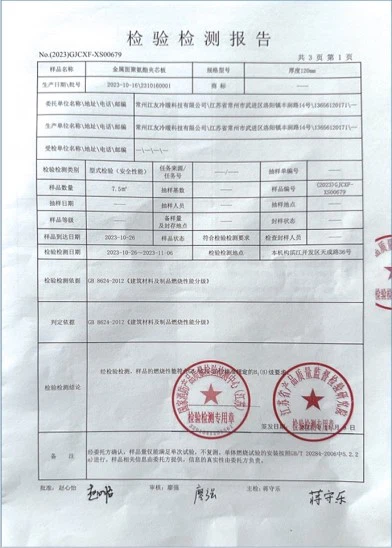
Certificate



Frequently Asked Questions
Hot Tags: freezer, China freezer manufacturers, suppliers, factory, cold storage solution, ice cream cold storage, cold storage manufacturing, expansion valve for cold storage, high capacity cold storage, Freezer


