

Cold Storage Hinged Doors
Changzhou Jiangyou Heating&Cooling Technology Co., Ltd.: Your Professional Cold Storage Hinged Doors Manufacturer!
We are located at No. 14 Fengrun Road, Luoyang Town, Wujin District, Changzhou City, Jiangsu Province, and are a comprehensive enterprise integrating technology research and development, production, sales, and service. Our company adheres to the principles of seeking truth, being pragmatic, innovating, and actively absorbing advanced technologies from domestic and foreign peers to continuously improve product quality and meet different customer needs. Our products have covered all provinces, municipalities, autonomous regions, and centrally-administered cities in China. With reliable product quality and excellent pre-sales and after-sales services, we have won the favor and trust of our customers.
Advanced Technology Equipment
Our company has introduced advanced technologies and equipment from both domestic and international sources, committed to producing high-quality refrigeration and air conditioning equipment. Through continuous innovation and technological upgrades, we can provide our customers with efficient, environmentally friendly, and durable products.
Diverse Product Lines
Specializing in the production of various high-demand cold storage plates, including arc angle cold storage plates, we offer products featuring environmental protection, corrosion resistance, and high flame retardancy. Additionally, we manufacture a wide range of cold storage doors such as double-open, single-open, electric or manual translational doors, chain doors, automatic return doors, free anti-collision insulation doors, modified atmosphere doors, and clean doors to meet diverse customer needs.
Professional Technical Services
Our business scope includes technical services, development, consultation, exchange, transfer, and promotion. With a professional technical team, we provide one-stop services from product design to installation and commissioning, ensuring every project achieves optimal results.
Comprehensive After-Sales Service
Beyond manufacturing and selling high-quality refrigeration and air conditioning equipment, we also offer installation and maintenance services. We commit to providing full support and assistance at every stage before, during, and after the sale, ensuring our customers face no worries throughout their usage period.
-
![Auto-Regressive Gate]() Auto-Regressive GateExperience the future of automated access control with the Auto-Regressive Gate. This advanced gate system utilizes cutting-edge machine learning algorithms to analyze traffic patterns and...read more
Auto-Regressive GateExperience the future of automated access control with the Auto-Regressive Gate. This advanced gate system utilizes cutting-edge machine learning algorithms to analyze traffic patterns and...read more

What is a Cold Storage Hinged Door
Hinged Cold Room door designed and constructed to suit the demands of cold storage and the food industry are manufactured with polyurethane foam technology of a high heat insulating level, with a thickness of 60-120 mm depending on the door types, from stainless steel or polyester coated plates. In each case, the doors come with PVC frame structure, and in cold storage temperature range, the doors are fitted with a threshold sunk below the floor level and with built-in heating. Smaller doors and doors used in the medium temperature range are fitted with a frame closing the panel opening, which is extremely simple to put in and is also suitable for covering the cold room panel edge, so there is no need for a counter-frame or subsequent panel closing when putting in the door.
Advantages of Cold Storage Insulated Door
Energy Efficiency
Cold rooms are designed to maintain low temperatures to preserve perishable goods. A hinged door, when properly insulated, helps minimize thermal exchange between the cold interior and the warmer exterior environment. This insulation is vital in reducing energy consumption, as it prevents cold air from escaping and warm air from infiltrating. Many modern hinged doors are built with advanced insulation materials that can significantly reduce energy losses, making them an eco-friendly and cost-effective choice for businesses. Moreover, the self-closing feature of many hinged doors further enhances energy efficiency. When equipped with high-quality seals, these doors can maintain the desired temperatures without excessive running time for refrigeration units. This is particularly important in high-traffic environments where doors are frequently opened.
Accessibility and Safety
Accessibility is another critical factor when selecting hinged doors for cold rooms. The design of these doors should allow for easy entry and exit, particularly for personnel and equipment. Many hinged doors are available in various sizes, ensuring that large items such as pallets of goods can be moved in and out without difficulty. Additionally, incorporating automatic or assisted closing mechanisms can enhance convenience while ensuring the door secures shut after use.
Hygiene and Maintenance
Cold rooms are often subjected to strict hygiene standards, and this is where the design of hinged doors can shine. Smooth, easy-to-clean surfaces can help maintain cleanliness and minimize the growth of mold or bacteria. Furthermore, many cold room doors are designed to be corrosion-resistant, ensuring durability in humid environments where condensation can occur.
The Manufacturing Process of Cold Storage Hinged Doors
Design and Engineering
Utilize cutting-edge CAD software to create precise design specifications. Conduct thermal simulations to optimize insulation properties.
Material Cutting and Shaping
Employ CNC machinery for exact cuts and shaping of the metal components. Ensure tight-fitting joints that improve insulation and longevity.
Foam Injection
Use an eco-friendly polyurethane foam that expands to fill every crevice. Apply foam in a controlled environment to ensure uniform density and insulation.
Assembly
Assemble components with a focus on creating an airtight seal. Embed robust hardware, including hinges and handles, for reliable operation.
Quality Control
Each door undergoes rigorous testing for thermal performance and structural integrity. Inspect seals, gaskets, and insulation for consistency in performance.
Finishing Touches
Apply food-safe coatings, enhancing both functionality and aesthetics. Customize with client-specific requirements, including dimensions and accessories.
Proper Usage of Cold Room Hinged Door

Gentle Handling

Regular Inspection

Ensure Proper Sealing
Efficient Cold Room Hinged Door Solutions: Cost-Saving and Performance Improvement
Long Cycle Times
The biggest cost in a freezer door is really when it’s open and you let all the heat in and then have to remove it. Basically, the faster you can get your door open and then closed, the more money you’re going to save. Slow-moving doors result in longer door-cycle times and higher rates of air infiltration, making maintaining temperature control inside the freezer more difficult.
Higher Susceptibility to Forklift Damage
Traditional slow-moving, hard-core doors are also more susceptible to forklift damage, which can lead to substantial energy losses if poor sealing results. The potential loss of a door due to collision, also means that your facility can no longer use it to load and unload trailers. Loss of productivity means loss of income, as well as warehousing personnel that are standing around doing nothing and getting paid for it. And then on top of that is all the regular maintenance costs.
Poor Sealing
Some solid cold-storage doors have poor sealing characteristics either due to damage or just a cheap door, so the increased rate of air infiltration and difficulty maintaining environmental control further makes them an expensive choice in the long run.
Often Have Low R-value
Other traditional approaches including comparatively inexpensive strip curtains and air systems, have such a low R-value, that ice build-up on the strips and floor is commonplace, and the vision of forklift drivers can be obscured, and the floor slippery, making them not only ineffective at maintaining temperature control, but also creating a safety hazard.
Wasted Money on Temporary Defrost Measures
In order to combat ice build-up, many of you have probably installed Defrost Systems and whilst this may be effective for a time, it costs significantly and in the long run, isn’t solving the real problem. Likewise, you may also have employees whose sole role is to chip the ice off in your freezers which is also costing you big.
Cold Storage Hinged Door Installation Steps and Tips

Make sure the door is level
Even before purchasing the product and planning the layout of the cold storage hinged door, make sure the walls of the building, especially where you are planning on having a door, are level. This problem may arise in the case of older or poorly manufactured buildings and may be invisible to the naked eye.
Position and create the cutout of the door
After checking the measurements of the doorcase, specify the measurement of the cutout you need in the wall. Make sure the marking is level before cutting.
Create drill holes in the door
You need to create drill holes on the outer surface of the doorcase that will help secure it to the wall. Take measurements from both sides to make sure the holes will be distributed evenly. Usually, we create 5 holes on the vertical side and 3 holes on the upper horizontal bridge. The holes on the vertical side should be 5 mm deep, while on the horizontal part, they should be at least 13 mm deep so that you can put plugs in them later. We deliver cold storage hinged doors with the lock system and hinges already attached to the door, so that is all you will have to work on the case.

Make sure the cutout is the right size
Before proceeding with attaching the case to the wall, double-check that the cutout fits the size of the case. Should the cutout be too small, you can still adjust its size. Should it be too large, it is impossible to fix. Once the size has been confirmed, you have a green light.
Seal and secure the doorcase to the wall
When securing the case to the wall, the first step is to create an airtight gasket between the case and the wall with sealing. You can use any kind of noble polymer or another kind of adhesive for this. We always start with the side where the door will be hinged and make sure it is level before attaching any other sides to the wall. Once all sides are level, you can secure with screws.
Hang the door panel
Our cold room doors are delivered already positioned so you only need to find the drill holes to secure the door panel to the case. Make sure to check if the original position is right and if the door closes properly. Should you experience any issues, you can simply adjust the 3D hinges. Lastly, place the covers on the hinges and remove the protective foil from the door. Check if the sealing on the bottom is tight enough and the surfaces do not touch.
Cold Storage Hinged Door Maintenance Tips
Clean the Seals
Keep the door seals clean to ensure they remain effective. Dirt and debris can compromise the seal, leading to temperature fluctuations.
Adjusting Door Alignment
Misaligned doors can cause difficulties in opening and closing, as well as compromise the seal's effectiveness. Periodically check the alignment of your cold storage hinged door and make any necessary adjustments. This may involve tightening or loosening screws on the hinges or adjusting the position of the door within its frame. Proper alignment ensures smooth operation and maintains the integrity of the seal.
Testing Door Functionality
Regularly test the functionality of your cold storage hinged door to ensure it operates correctly. Open and close the door several times to check for any sticking points or resistance. Pay attention to how easily the door moves and whether it stays in place when closed. If you notice any issues, address them promptly to avoid further damage or inconvenience.
Lubricate Hinges
Regularly lubricate the hinges to ensure smooth operation and to prevent rust and corrosion.
Handling and Storage of Spare Parts
Having spare parts on hand can be beneficial in case of unexpected repairs or replacements. Store spare hinges, screws, and other components in a dry, cool location to prevent rust and corrosion. Label and organize the parts for easy identification and access when needed. Being prepared with spare parts can save time and reduce downtime during maintenance.
Check for Damage
Inspect the door for any physical damage, such as dents or cracks, which can affect its performance. Address any issues promptly.
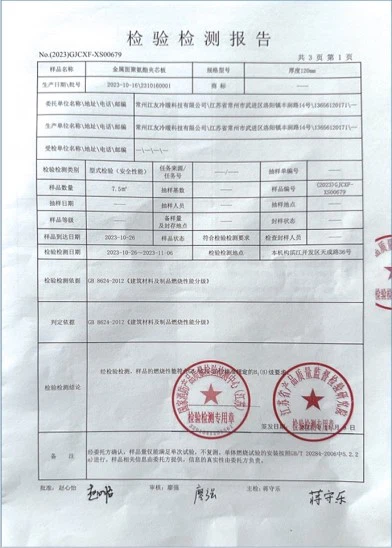
Certificate



Frequently Asked Questions
We're professional cold storage hinged doors manufacturers and suppliers in China, specialized in providing high quality customized service. We warmly welcome you to buy discount cold storage hinged doors made in China here from our factory.
Auto Regressive Gate, cold storage hinged doors