

Over time, cold storage boards are subject to various environmental factors and usage conditions that can impact their performance and longevity. As a cold storage board supplier, I understand the importance of proper maintenance to ensure these boards continue to function effectively. In this blog, I'll delve into the key maintenance requirements for cold storage boards over time.
Initial Inspection and Installation Checks
Before the cold storage boards are put into use, a thorough inspection is crucial. Check for any visible damage during transportation, such as dents, scratches, or cracks on the surface of the boards. Ensure that the insulation material inside is intact and not compressed or displaced. During installation, make sure the boards are properly aligned and sealed. Any gaps between the boards can lead to heat leakage, reducing the efficiency of the cold storage. A proper seal also prevents moisture from entering the cold storage, which can cause corrosion and other issues.
Regular Cleaning
Regular cleaning is one of the most basic yet essential maintenance tasks for cold storage boards. Dust, dirt, and debris can accumulate on the surface of the boards over time. This not only affects the aesthetic appearance but can also act as an insulator, reducing the heat transfer efficiency of the boards. Use a soft - bristle brush or a vacuum cleaner to remove loose dirt. For more stubborn stains, a mild detergent solution can be used. However, be careful not to use abrasive cleaners or tools that can scratch the surface of the boards.
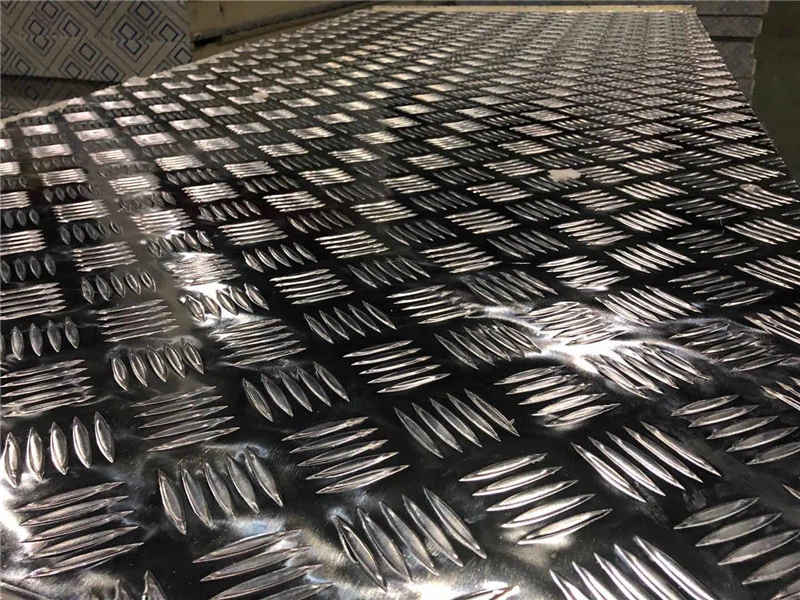
When cleaning the embossed aluminum surface of cold storage boards, such as our Embossed Aluminum Cold Storage Panels, take extra care. The embossed pattern can trap dirt, so a gentle cleaning process is required. Wipe the surface with a damp cloth and then dry it thoroughly to prevent water spots.
Monitoring Temperature and Humidity
Maintaining the right temperature and humidity levels inside the cold storage is vital for the longevity of the cold storage boards. Fluctuations in temperature can cause the boards to expand and contract, which may lead to cracks or loosening of the joints over time. Install a reliable temperature and humidity monitoring system. Set up alarms to notify you if the temperature or humidity goes beyond the recommended range.
High humidity can be particularly damaging. It can cause condensation on the boards, leading to rust if the boards have a metal surface, and mold growth if the insulation material is exposed. If condensation is detected, check the ventilation system. Proper ventilation helps to remove excess moisture from the cold storage.
Inspecting Seals and Joints
The seals and joints between the cold storage boards are critical for maintaining the integrity of the cold storage. Over time, these seals can wear out, dry up, or become damaged. Inspect the seals regularly for signs of cracking, peeling, or gaps. Replace any damaged seals immediately.
Joints should also be checked for stability. If there are any signs of movement or separation between the boards at the joints, it could indicate a problem. Reinforce the joints if necessary to prevent heat leakage and maintain the structural integrity of the cold storage.
Protection from Physical Damage
Cold storage facilities are often busy places with a lot of activity. Forklifts, pallets, and other equipment can accidentally collide with the cold storage boards, causing physical damage. Install protective barriers, such as impact - resistant bumpers or guards, around the perimeter of the cold storage. This can help prevent accidental damage from occurring.
In addition, ensure that the loading and unloading processes are carried out carefully. Train the staff on how to handle the equipment to avoid hitting the cold storage boards.
Maintenance of Insulation
The insulation inside the cold storage boards is the key to their performance. Over time, the insulation material may degrade due to factors such as temperature fluctuations, moisture, and mechanical stress. Periodically check the insulation for signs of degradation, such as a decrease in its insulating properties.
If the insulation is damaged or degraded, it may need to be repaired or replaced. In some cases, adding an extra layer of insulation can improve the energy efficiency of the cold storage. However, this should be done in accordance with the manufacturer's recommendations.
Electrical System Maintenance (if applicable)
Some cold storage boards may be equipped with electrical components, such as lighting or sensors. Regularly inspect the electrical system for any signs of damage, such as frayed wires, loose connections, or malfunctioning components.
Ensure that the electrical system is properly grounded to prevent electrical hazards. Have a qualified electrician perform routine maintenance and inspections to ensure the safety and proper functioning of the electrical components.
Documentation and Record - Keeping
Keep detailed records of all maintenance activities. This includes the date of inspections, any repairs or replacements made, and the results of temperature and humidity monitoring. These records can help you track the performance of the cold storage boards over time and identify any emerging issues.
By analyzing the maintenance records, you can also develop a more effective maintenance schedule. For example, if you notice that the seals need to be replaced more frequently than expected, you can adjust the inspection and replacement intervals accordingly.
Training for Staff
Proper maintenance of cold storage boards also depends on the awareness and actions of the staff working in the cold storage facility. Provide training to the staff on the importance of cold storage board maintenance. Teach them how to recognize the signs of potential problems, such as visible damage or abnormal temperature and humidity readings.
Encourage the staff to report any issues they notice immediately. A well - informed and vigilant staff can play a crucial role in preventing major problems from occurring.
Conclusion
Maintaining cold storage boards over time is a comprehensive process that involves regular inspections, cleaning, temperature and humidity control, protection from physical damage, and proper maintenance of insulation and electrical systems. By following these maintenance requirements, you can ensure that your cold storage boards continue to provide reliable and efficient performance for many years.
If you're interested in purchasing high - quality cold storage boards or need more information about their maintenance, don't hesitate to contact us. We're here to assist you with all your cold storage needs and provide you with the best solutions for your business.
References
- ASHRAE Handbook - Refrigeration. American Society of Heating, Refrigerating and Air - Conditioning Engineers.
- Cold Storage Design and Construction Guidelines. Industry - specific technical publication.