

As a cold storage board supplier, I've witnessed firsthand the importance of maintaining the integrity of cold storage facilities. Cold storage boards play a crucial role in preserving the temperature and humidity within these spaces, ensuring the quality and safety of stored goods. However, over time, these boards can become damaged due to various factors such as physical impact, moisture infiltration, or aging. In this blog post, I'll share some practical tips on how to repair a damaged cold storage board, drawing on my experience in the industry.
Assessing the Damage
The first step in repairing a damaged cold storage board is to conduct a thorough assessment of the damage. This involves inspecting the board for visible signs of wear and tear, such as cracks, holes, or delamination. You should also check for any signs of moisture damage, such as discoloration or mold growth. By identifying the extent and nature of the damage, you can determine the most appropriate repair method.
Visual Inspection
Start by visually inspecting the damaged area. Look for any obvious cracks, holes, or dents in the board. Pay close attention to the edges and corners, as these areas are more prone to damage. If you notice any signs of delamination, where the layers of the board are separating, this could indicate a more serious problem.
Moisture Detection
Moisture is one of the biggest enemies of cold storage boards. It can cause the insulation material to deteriorate, leading to reduced thermal performance and potential mold growth. To detect moisture, you can use a moisture meter or look for signs of water stains or discoloration on the surface of the board. If you suspect moisture infiltration, it's important to address the issue promptly to prevent further damage.
Repairing Minor Damage
For minor damage, such as small cracks or scratches, you can often repair the cold storage board yourself using simple tools and materials. Here are some steps to follow:
Cleaning the Area
Before starting the repair, clean the damaged area thoroughly to remove any dirt, debris, or loose particles. Use a mild detergent and water to clean the surface, and then dry it completely with a clean cloth.
Filling the Cracks
Once the area is clean and dry, you can fill the cracks with a suitable filler material. For small cracks, you can use a silicone-based caulk or a polyurethane foam filler. Apply the filler using a caulking gun or a putty knife, and smooth it out to ensure a flush finish. Allow the filler to dry completely according to the manufacturer's instructions.
Sanding and Finishing
After the filler has dried, sand the repaired area gently to smooth out any rough edges. Use a fine-grit sandpaper to avoid scratching the surface of the board. Once the area is sanded, you can apply a coat of paint or a protective finish to match the surrounding area. This will help to protect the repair and give the board a uniform appearance.
Repairing Major Damage
If the damage to the cold storage board is more severe, such as large holes or extensive delamination, you may need to replace the damaged section of the board. Here's how to do it:
Removing the Damaged Section
Start by carefully removing the damaged section of the board. Use a utility knife or a saw to cut along the edges of the damaged area, making sure to cut through all the layers of the board. Be careful not to damage the surrounding area.
Measuring and Cutting the Replacement Board
Once the damaged section is removed, measure the size of the opening and cut a replacement board to fit. Make sure to use a board that is the same thickness and material as the original board. You can purchase replacement boards from your cold storage board supplier.
Installing the Replacement Board
Before installing the replacement board, apply a layer of adhesive to the edges of the opening and the back of the replacement board. Carefully place the replacement board into the opening, aligning it with the surrounding area. Press the board firmly into place to ensure a good bond. Use clamps or screws to hold the board in place while the adhesive dries.
Sealing the Joints
After the replacement board is installed, seal the joints between the new board and the surrounding area with a suitable sealant. This will help to prevent moisture infiltration and ensure a tight seal. Apply the sealant using a caulking gun, and smooth it out to ensure a neat finish.
Preventing Future Damage
Once you've repaired the damaged cold storage board, it's important to take steps to prevent future damage. Here are some tips to help you maintain the integrity of your cold storage facility:
Regular Inspections
Schedule regular inspections of your cold storage facility to check for any signs of damage or wear and tear. This will allow you to identify and address any issues before they become more serious.
Proper Installation
Make sure that your cold storage boards are installed correctly by a professional installer. Improper installation can lead to premature damage and reduced performance.
Protection from Physical Impact
Take steps to protect your cold storage boards from physical impact, such as installing protective barriers or using pallet racks with soft edges. This will help to prevent damage from forklifts, pallets, or other equipment.
Moisture Control
Maintain proper moisture control within your cold storage facility by using dehumidifiers or ventilation systems. This will help to prevent moisture infiltration and reduce the risk of mold growth.
Conclusion
Repairing a damaged cold storage board is an important part of maintaining the integrity and performance of your cold storage facility. By following the tips outlined in this blog post, you can effectively repair minor and major damage to your cold storage boards and prevent future problems. Remember to always use the appropriate tools and materials, and if you're unsure about how to proceed, don't hesitate to consult with a professional.
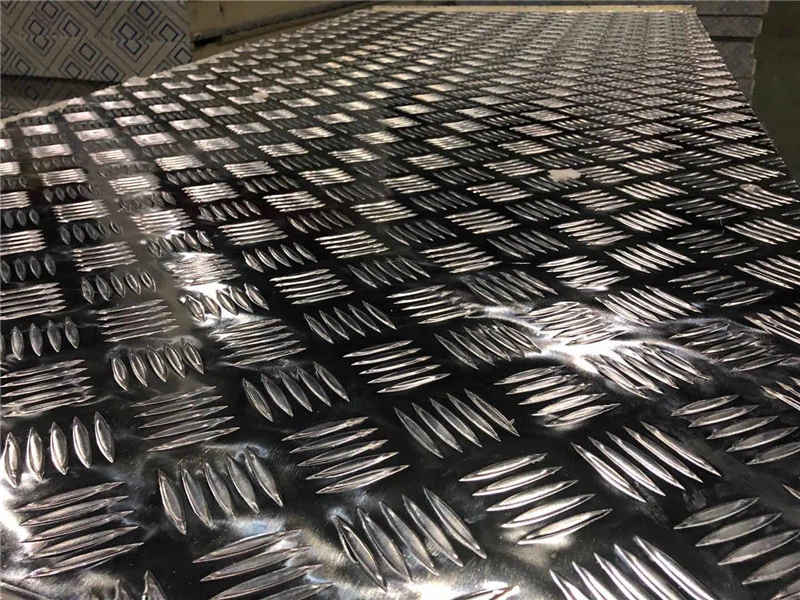
If you're in the market for high-quality cold storage boards, I invite you to explore our range of Embossed Aluminum Cold Storage Panels. Our panels are designed to provide excellent thermal insulation, durability, and aesthetic appeal, making them the perfect choice for any cold storage application. Contact us today to discuss your specific requirements and learn more about our products and services.