

When it comes to cold storage facilities, the choice of cold storage boards plays a crucial role in ensuring efficient and reliable operation. One of the key factors to consider is the ease of installation. In this blog post, as a cold storage board supplier, I will delve into how different cold storage boards compare in terms of ease of installation.
Types of Cold Storage Boards and Their Installation Characteristics
Polyurethane (PU) Cold Storage Boards
Polyurethane cold storage boards are widely used in the industry due to their excellent insulation properties. From an installation perspective, they offer several advantages. Firstly, PU boards are pre - fabricated in a factory environment. This means that the boards come with precise dimensions and are ready to be installed on - site. The manufacturing process ensures a high level of accuracy, reducing the need for on - site adjustments.
The installation of PU boards typically involves a tongue - and - groove system. This interlocking mechanism allows the boards to fit together seamlessly. Workers can quickly assemble the cold storage structure by simply aligning the boards and pushing them into place. The tight fit provided by the tongue - and - groove design not only speeds up the installation process but also enhances the overall insulation performance of the cold storage.
However, it's important to note that proper handling is required during installation. PU boards are relatively lightweight but can be damaged if mishandled. Also, the installation site needs to be clean and level to ensure a proper fit. If the base is uneven, it may cause difficulties in aligning the boards and could potentially compromise the integrity of the cold storage structure.
Polystyrene (PS) Cold Storage Boards
Polystyrene cold storage boards are another popular option. They are known for their cost - effectiveness. In terms of installation, PS boards are relatively easy to work with. Similar to PU boards, they are often pre - cut and come in standard sizes.
The installation of PS boards can be done using adhesive or mechanical fasteners. Adhesive installation is a common method, especially for smaller cold storage projects. The adhesive bonds the boards together securely, and it is a straightforward process. Workers only need to apply the adhesive evenly on the contact surfaces and then press the boards together.
On the other hand, mechanical fasteners such as screws or nails can also be used. This method provides a more rigid connection, especially for larger cold storage structures. However, when using mechanical fasteners, care must be taken not to damage the insulation material inside the boards.
One drawback of PS boards during installation is their lower strength compared to PU boards. They are more prone to cracking or breaking if excessive force is applied during handling or installation. Therefore, workers need to be more cautious when working with PS boards.
Embossed Aluminum Cold Storage Panels
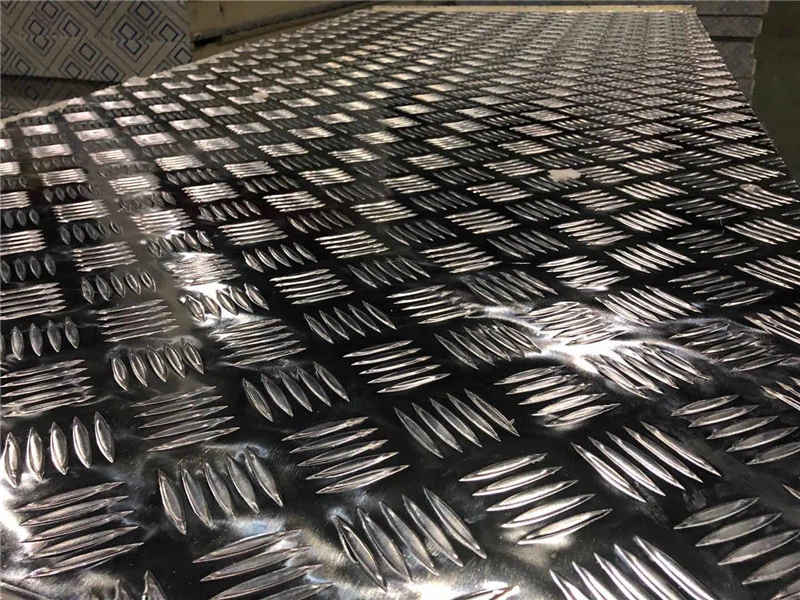
Embossed Aluminum Cold Storage Panels offer a unique combination of durability and aesthetic appeal. These panels are made by sandwiching an insulating core between two embossed aluminum sheets.
In terms of installation, embossed aluminum cold storage panels are relatively straightforward. They are usually designed with a modular system, which means that the panels can be easily connected to each other. The embossed surface not only adds strength to the panels but also provides a better grip during installation.
The installation process often involves using special connectors or clips to join the panels together. These connectors are designed to ensure a tight and secure fit. Additionally, the aluminum surface is resistant to corrosion, which means that the panels can withstand harsh environmental conditions without deteriorating.
However, the installation of embossed aluminum cold storage panels may require some specialized tools. For example, a proper cutting tool is needed to cut the panels to the desired size. Also, due to the relatively high cost of aluminum, any mistakes during installation can be more costly compared to other types of cold storage boards.
Factors Affecting the Ease of Installation
Design and Compatibility
The design of the cold storage boards has a significant impact on the ease of installation. Boards with a simple and intuitive design are easier to install. For example, boards with a standardized size and a clear connection system can be assembled more quickly. Compatibility between different components, such as the boards, connectors, and insulation materials, is also crucial. If the components are not compatible, it can lead to difficulties in alignment and connection, prolonging the installation time.
On - Site Conditions
The conditions at the installation site can greatly affect the ease of installation. A clean, level, and well - prepared site is essential. If the site is cluttered or has uneven surfaces, it can make it difficult to handle and align the boards. For example, in a cold storage project located in an area with limited space, maneuvering large boards can be a challenge. Additionally, weather conditions can also play a role. Extreme temperatures or high humidity can affect the performance of adhesives or the integrity of the boards.
Worker Skills and Experience
The skills and experience of the installation workers are vital. Experienced workers are more familiar with the installation process and can handle potential problems more efficiently. They know how to use the tools properly and can ensure that the boards are installed correctly. On the other hand, inexperienced workers may make mistakes, such as improper alignment or incorrect use of fasteners, which can lead to delays and additional costs.
Tips for Ensuring a Smooth Installation
Pre - Installation Planning
Before starting the installation, a detailed plan should be developed. This includes measuring the installation site accurately, determining the number and size of the boards needed, and planning the installation sequence. A well - thought - out plan can help avoid unnecessary delays and ensure that the installation proceeds smoothly.
Training for Workers
Providing proper training for the installation workers is essential. They should be familiar with the specific type of cold storage boards being installed, including the installation methods, the use of tools, and safety precautions. Training can improve the workers' skills and confidence, leading to a more efficient installation process.
Quality Control
During the installation process, quality control should be carried out regularly. This includes checking the alignment of the boards, the tightness of the connections, and the integrity of the insulation. Any issues should be addressed immediately to prevent further problems.
Conclusion
In conclusion, different cold storage boards have their own characteristics in terms of ease of installation. Polyurethane boards offer a precise and quick installation with their tongue - and - groove system, while polystyrene boards are cost - effective and can be installed using adhesive or mechanical fasteners. Embossed aluminum cold storage panels provide durability and a modular installation system but may require specialized tools.
When choosing cold storage boards, it's important to consider not only the ease of installation but also other factors such as insulation performance, cost, and durability. As a cold storage board supplier, I am committed to providing high - quality products and professional advice to ensure that your cold storage project is a success.
If you are interested in our cold storage boards and would like to discuss your specific requirements, please feel free to contact us for a procurement negotiation. We are here to help you find the best solution for your cold storage needs.
References
- Smith, J. (2020). Cold Storage Construction: Best Practices. Construction Journal, 15(2), 34 - 42.
- Johnson, A. (2019). Comparison of Insulation Materials for Cold Storage. Insulation Research, 22(3), 56 - 63.