

As a supplier of cold storage boards, I've often been asked whether our products are suitable for seafood cold storage. This is a crucial question considering the unique requirements of storing seafood, which include maintaining low temperatures, high humidity, and preventing contamination. In this blog post, I'll delve into the technical aspects, advantages, and potential challenges of using cold storage boards in seafood cold storage facilities.
Technical Requirements for Seafood Cold Storage
Seafood is highly perishable and requires strict temperature and humidity control to maintain its quality and safety. The ideal temperature for storing most seafood ranges from -20°C to -30°C (-4°F to -22°F) for long - term storage, while short - term storage might be at slightly higher temperatures around 0°C to 4°C (32°F to 39°F). Additionally, high humidity levels are necessary to prevent the seafood from drying out, which can lead to freezer burn and loss of texture and flavor.
The cold storage environment must also be hygienic to prevent the growth of bacteria, fungi, and other pathogens. This means that the materials used in the cold storage construction should be resistant to moisture, easy to clean, and non - toxic.
Features of Cold Storage Boards
Cold storage boards are typically made of materials such as polyurethane foam (PU), polystyrene foam (PS), or extruded polystyrene foam (XPS), which are known for their excellent thermal insulation properties. These materials have low thermal conductivity, which means they can effectively reduce heat transfer between the inside and outside of the cold storage, helping to maintain a stable low temperature.
In addition to thermal insulation, cold storage boards can be designed with a variety of surface materials. For example, Embossed Aluminum Cold Storage Panels offer several advantages. Aluminum is corrosion - resistant, which is particularly important in a high - humidity environment like a seafood cold storage. It is also easy to clean and sanitize, helping to meet the strict hygiene requirements.
Advantages of Using Cold Storage Boards in Seafood Cold Storage
1. Energy Efficiency
One of the primary advantages of using cold storage boards is their energy - saving potential. The high - performance insulation materials used in cold storage boards can significantly reduce the amount of energy required to maintain the low temperatures in the seafood cold storage. This not only reduces operational costs but also has a positive environmental impact by lowering energy consumption.
2. Temperature Stability
Cold storage boards provide a stable thermal environment. Fluctuations in temperature can cause ice crystals to form and melt in the seafood, leading to cell damage and loss of quality. The insulation properties of cold storage boards help to minimize these temperature variations, ensuring that the seafood remains in optimal storage conditions.
3. Hygiene and Cleanliness
As mentioned earlier, cold storage boards with appropriate surface materials, such as embossed aluminum, are easy to clean and resistant to corrosion. This helps to prevent the growth of bacteria and other contaminants, ensuring the safety and quality of the stored seafood.
4. Customizability
Cold storage boards can be customized to fit the specific dimensions and requirements of a seafood cold storage facility. Whether it's a small - scale storage unit or a large - scale commercial cold storage, the boards can be cut and assembled to create a seamless and efficient storage space.
Potential Challenges and Solutions
1. Moisture Management
Although cold storage boards are generally resistant to moisture, prolonged exposure to high humidity in a seafood cold storage can still pose a challenge. Condensation can form on the surfaces of the boards, which may lead to mold growth if not properly managed.
Solution: To address this issue, proper ventilation systems can be installed in the cold storage to remove excess moisture. Additionally, the use of moisture - resistant coatings on the cold storage boards can provide an extra layer of protection.
2. Structural Integrity
Seafood cold storage facilities may require regular cleaning and maintenance, which can involve the use of high - pressure water jets and chemical cleaners. These cleaning methods can potentially damage the cold storage boards if they are not properly designed.
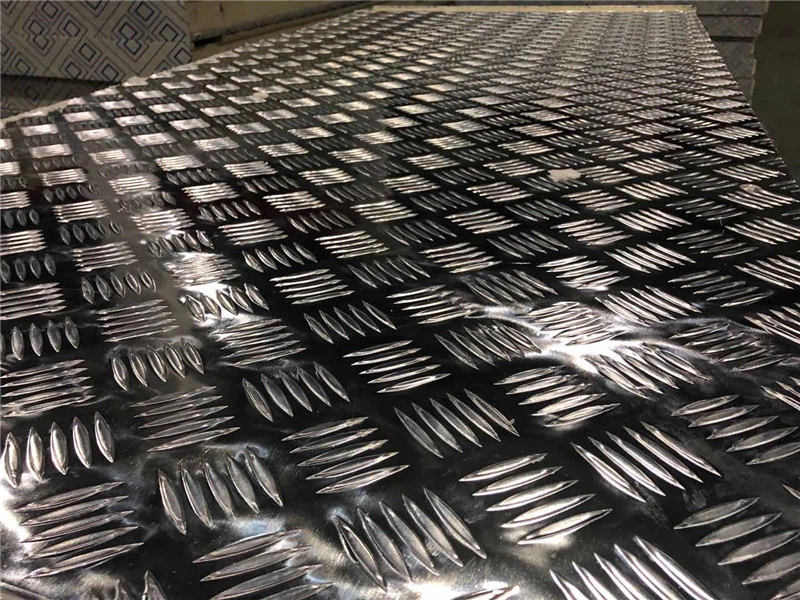
Solution: Choosing cold storage boards with a durable surface material, such as embossed aluminum, can enhance their resistance to physical damage. Also, proper installation and regular inspections can ensure the long - term structural integrity of the boards.
Case Studies
Let's take a look at some real - world examples of cold storage boards being used in seafood cold storage. A medium - sized seafood processing company recently installed our embossed aluminum cold storage panels in their new cold storage facility. After several months of operation, they reported significant energy savings compared to their previous storage system. The stable temperature environment also led to a reduction in product spoilage, resulting in higher quality seafood products.
Another case involves a large - scale seafood distributor. They were facing issues with hygiene and corrosion in their old cold storage. After replacing the old panels with our cold storage boards, they found that the new panels were much easier to clean and had better resistance to corrosion. This not only improved the overall hygiene of the storage but also extended the lifespan of the cold storage facility.
Conclusion
In conclusion, cold storage boards can be an excellent choice for seafood cold storage. Their energy - saving features, temperature stability, hygiene benefits, and customizability make them well - suited to the unique requirements of storing seafood. While there are some potential challenges, such as moisture management and structural integrity, these can be effectively addressed through proper design, installation, and maintenance.
If you are in the seafood industry and are considering building or upgrading a cold storage facility, I encourage you to explore the options of using our cold storage boards. Our team of experts can provide you with detailed information and customized solutions based on your specific needs. Contact us today to start a discussion about your cold storage project and take the first step towards a more efficient and reliable seafood storage solution.
References
- "Handbook of Seafood Quality, Safety and Health Applications". Woodhead Publishing.
- "Thermal Insulation Materials and Systems" by John M. Carmody.